October 13, 2026 · By Ryan Parker
How to Appeal Your Florida Property Tax Assessment: The Value Adjustment Board, Step by Step
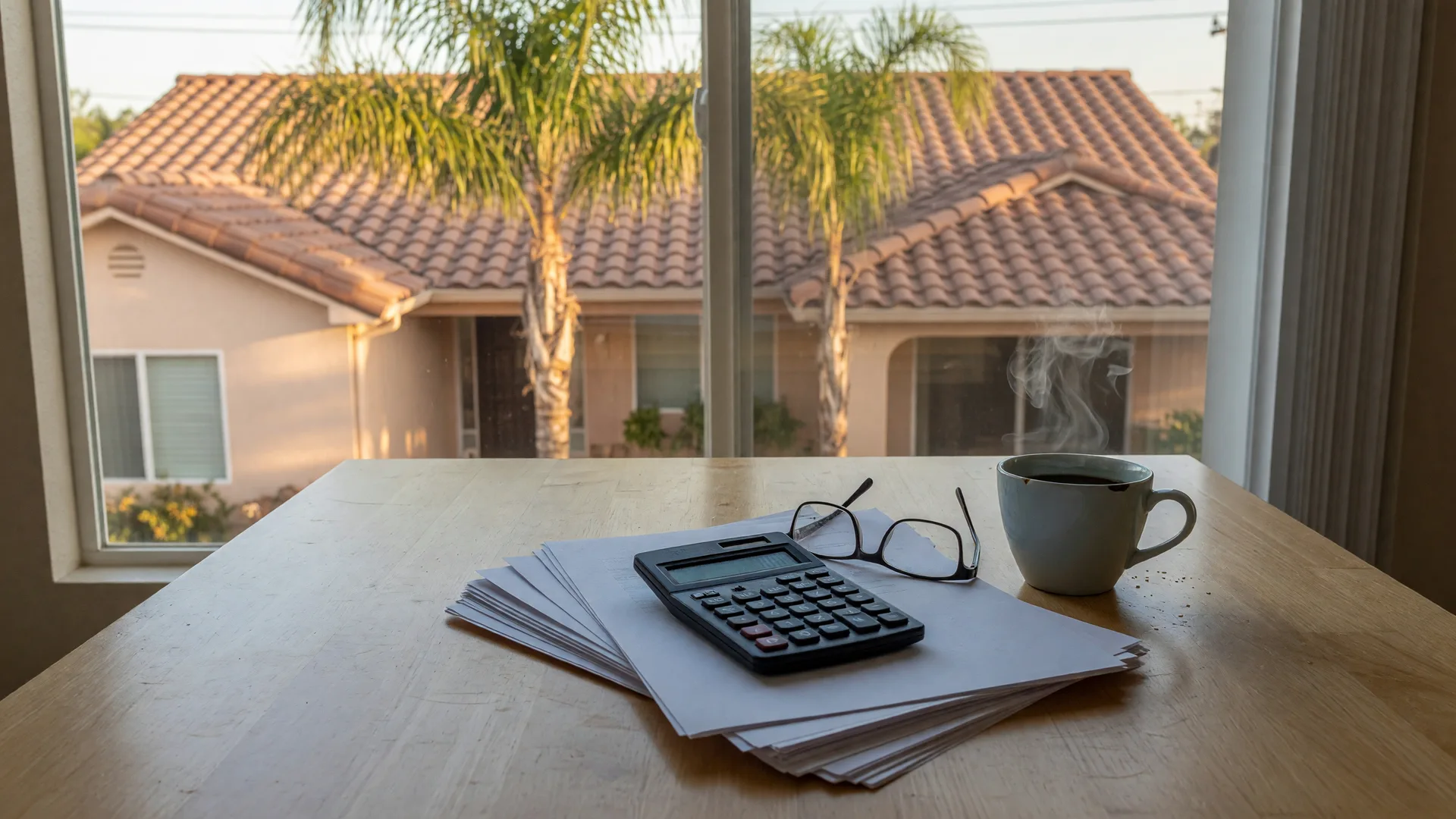
Yes, you can appeal your Florida property tax assessment, and the window is short: in most counties you have 25 days from the mailing of your TRIM notice to file a petition with your county's Value Adjustment Board. The appeal challenges the assessed value of your home, or a denied exemption, never the tax rate itself. Most homeowners start with a free informal review with the Property Appraiser's office, then file a formal petition only if that does not resolve it. Here is the step-by-step for Palm Beach County owners, with the deadlines and the evidence that actually wins.
What the TRIM notice actually is
Every August, Florida property owners receive a TRIM notice, short for Truth in Millage, from the county Property Appraiser's Office. It shows your proposed assessment for the coming tax year, the proposed millage rates from every taxing authority, and your estimated taxes. It is not a bill. It is a heads-up about what your tax bill will be if the numbers stand.
The TRIM notice is also the starting gun for an appeal: the 25-day petition window runs from the date the notice is mailed, which is why the deadline usually lands in mid-September. In Palm Beach County, the petition deadline for the 2026 tax year is September 14, 2026. If you want to understand how your assessed value turns into a dollar figure first, the Palm Beach County property tax calculator walkthrough shows the millage math step by step.
Step 1: The informal review with the Property Appraiser
Before any formal appeal, talk to the Property Appraiser's Office. Most offices, including Palm Beach County's, offer a free informal review of the assessment. You bring your evidence, the appraiser's staff rechecks the property record and the comparable sales, and a surprising number of disagreements resolve right there without a petition, a fee, or a hearing.
Do this as soon as the TRIM notice arrives. The informal review has no deadline of its own, but the 25-day petition window does not pause while you talk, so start early and keep the petition date on your calendar as a backstop.
Step 2: File a petition with the Value Adjustment Board
If the informal review does not fix the problem, the formal route is a petition to your county's Value Adjustment Board (VAB). The VAB is an independent, county-level board, separate from the Property Appraiser and the Tax Collector, that hears appeals on property value assessments, denied exemptions or classifications, portability decisions, and a few related matters. The petition uses the Florida Department of Revenue's Form DR-486 and carries a filing fee, roughly $15 in most counties (check your county's fee schedule).
Two deadlines matter here. For a value dispute, the petition must be filed on or before the 25th day after the TRIM notice is mailed. For a denied exemption, such as a homestead exemption application that was turned down, the deadline is 30 days from the denial letter. If you are appealing a denied homestead exemption, the Florida homestead exemption guide walks through who qualifies and how much the exemption removes from assessed value.
What the VAB can and cannot change
The VAB can change your assessed value or correct a denied exemption. It cannot change the millage rate, the tax rate itself, or the way the county spends the money. An appeal is a challenge to the number your home was valued at, not to the tax bill as a whole.
That distinction shapes who benefits most from an appeal:
- New buyers. A purchase price is strong evidence of market value, and many new owners are assessed close to what they paid. If your assessment came in well above the price you just paid, that gap is worth challenging.
- Owners without homestead protection. The Save Our Homes cap limits annual assessment increases to 3% for homesteaded properties. Non-homesteaded homes, second homes, and rentals do not get that cap, so their assessments can move with the market and overshoot.
- Properties with record errors. A wrong square footage, an extra bathroom, or a bedroom count that does not match reality can inflate an assessment. Fixing the record is often the fastest win of all.
For a sense of what a corrected assessment is worth in dollars, the Delray Beach property tax guide shows how millage rates turn assessed value into an annual bill.
The evidence that actually wins an appeal
A petition is only as strong as the evidence behind it. What the VAB and its hearing officer want to see:
- Comparable sales: three to five recent, arm's-length sales of similar homes, ideally within the last 12 months, adjusted for size, age, condition, location, and amenities. Sold prices, not asking prices, are what count.
- A property condition report: documentation of deferred maintenance, an aging roof, or interior condition that makes your home worth less than the comps suggest.
- An appraisal: a licensed appraisal is the strongest single piece of evidence if you can justify the cost.
- Photographs: dated photos of the condition issues you are citing.
- Record errors: anything in the property record that is factually wrong, such as incorrect square footage or the wrong number of bedrooms.
Florida runs an evidence-exchange rule: you generally must give your evidence to the appraiser about 15 days before the hearing, and the VAB notifies you of the hearing time roughly 25 days in advance. Late evidence can be excluded, so assemble your file early.
What happens at the hearing
Most VAB hearings are conducted by a Special Magistrate, a neutral hearing officer who reviews the evidence from both sides, hears your argument and the appraiser's, and issues a recommended decision. The board then acts on that recommendation. You do not need an attorney to appear, and most homeowners represent themselves with a well-organized evidence file.
The hearing is a conversation about the numbers, not a courtroom drama: you explain why the assessment is too high, the appraiser explains why it is not, and the magistrate weighs the comparable sales. If your home's taxes are paid through a mortgage escrow account, a successful appeal lowers the tax side of that payment too, which the Florida mortgage escrow guide explains in detail.
After the decision
Filing a petition guarantees a review, not a reduction. The board can uphold the assessment or grant a reduction, and the outcome depends on the evidence. If the appeal succeeds, the corrected assessment is what your November tax bill reflects. If it does not, you still get one useful thing: a clear picture of how the appraiser values your home, which you can carry into next year's TRIM season.
Missed this year's window? The process resets every August with a new TRIM notice. Set a calendar reminder for late August, and if your assessment creeps up again without a good reason, the same steps apply next year. For the full picture of how Florida taxes work, including the March 1 homestead filing deadline, the Florida property taxes 2026-2027 guide is the place to start.
Your property tax appeal checklist
Here is the practical list I share with owners across Palm Beach County:
- Watch your mailbox in late August. The TRIM notice arrives mid-to-late August and starts the 25-day clock.
- Check the property record for errors. Square footage, bedroom and bath counts, and year built are the usual culprits.
- Request the informal review first. It is free, it is fast, and it resolves many disputes without a petition.
- File Form DR-486 before the 25-day deadline. In Palm Beach County for 2026, that is September 14. Include the filing fee and your evidence.
- Exchange evidence on time. Get your comps and photos to the appraiser about 15 days before the hearing so nothing gets excluded.
The bottom line
A Florida property tax appeal is a straightforward, evidence-based process with one hard rule: respect the 25-day window. Start with the free informal review, build a file of comparable sales and any record errors, and file the petition if the numbers still do not add up. Whether you win or not, you will understand exactly how your home is valued, and that knowledge compounds every August when the next TRIM notice arrives.
The deadlines and rules here come from the Florida Department of Revenue's Value Adjustment Board guidance, Palm Beach County Property Appraiser's petition information, and Florida tax law, all current as of October 2026. County deadlines and fees can vary, so confirm the exact dates with your own county before you file.
Want to know whether appealing is worth it for your home?
I can walk you through your assessment, what the appeal could save, and whether it is worth the paperwork for your situation. No pressure, no obligation, just the honest math.
Sources: Florida Department of Revenue Value Adjustment Board guidance and Form DR-486, Palm Beach County Property Appraiser petition information, and Florida property tax law, all current as of October 2026.

Ryan Parker
Realtor · Coldwell Banker Realty · SL3571861
Ryan Parker is a South Florida real estate agent with Coldwell Banker Realty who helps buyers, sellers, and owners make confident decisions about homes in Delray Beach, Boca Raton, Boynton Beach, and the surrounding communities. He focuses on homeownership education and honest, practical guidance for everyday people.
Related articles
What Is the Florida Homestead Exemption?
How to file, who qualifies, and how much you save.
How to Calculate Property Taxes in Palm Beach County
Millage rates and how the tax math works.
Florida Property Taxes 2026-2027
Homestead, Save Our Homes, and the March 1 deadline.
What Happens to Property Taxes When You Sell
How a sale resets the assessment for the next owner.
For neighborhood deep-dives and market insights, visit RyanParkerRealty.com.