August 3, 2026 · By Ryan Parker
Is Waiting Until Fall to Buy a Home in South Florida Actually a Good Strategy?
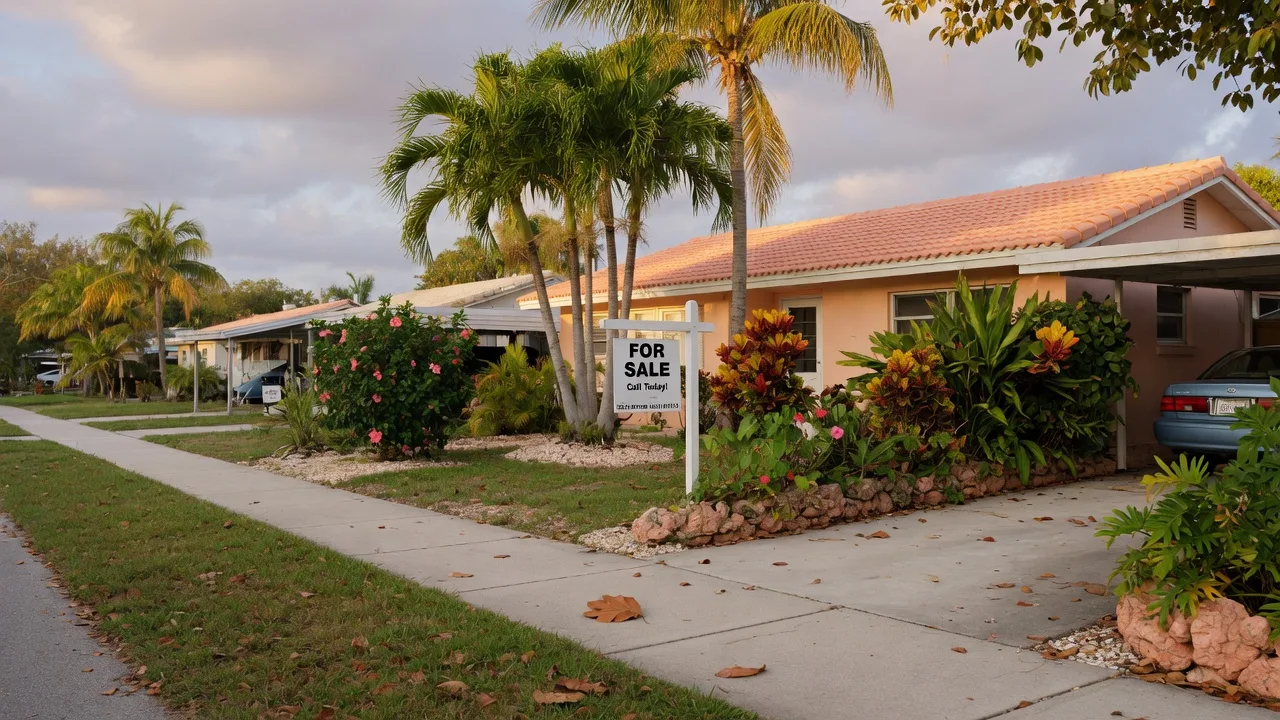
Every year around this time, buyers ask me the same question: "Should I wait until fall to buy?"
It is a reasonable question. Summer in South Florida is slow. The heat is intense, many families are on vacation, and the real estate market settles into a quieter rhythm. Inventory tends to build. And with mortgage rates where they are, a lot of people are hoping that waiting a few more months will mean better options, lower rates, or both.
But the answer is not as simple as "yes, wait" or "no, buy now." The truth depends on where you are looking, what you can afford, who else is shopping at the same time, and what your timeline looks like.
Buyers shop in every season in South Florida. Here is what actually happens when you wait until fall — and when it actually works in your favor.
The seasonal cycle in South Florida
South Florida's real estate market runs on a different clock than the rest of the country. The traditional spring buying season is real here, but the year is shaped more by weather and snowbird migration than by the school calendar.
Here is how the seasons typically break down:
- Peak season (February through May): The busiest time. Snowbirds are here, the weather is perfect, and inventory moves fast. Multiple offers are common, and sellers have the upper hand.
- Summer slowdown (June through August): Hot, humid, and hurricane-conscious. Fewer buyers are actively looking, which means less competition but also fewer new listings. Sellers who are on the market in summer tend to be more motivated.
- Fall rebound (September through November): Snowbirds start arriving. Inventory may increase as sellers who sat through summer try again. Competition picks back up, especially in October and November.
- Holiday lull (December through January): Things slow again through the holidays, but serious buyers are still out there and motivated sellers are still listing.
Understanding this cycle is the key to timing your purchase. Each season has trade-offs, and the right time for you depends on what you value most — selection, price, negotiating power, or avoiding competition.
What happens to inventory in the fall
One of the most common reasons buyers consider waiting until fall is the expectation that more homes will be available. And that is partly true.
Here is what typically happens with inventory as the seasons shift:
- Sellers who listed in spring and did not sell often keep their homes on the market through summer and into fall. By September, many of them are ready to negotiate.
- Some sellers deliberately wait until after Labor Day to list, expecting fall buyers to be more serious than summer tire-kickers.
- New construction communities frequently release new phases in the fall, which can open up options in developments that had limited inventory during summer.
- Motivated sellers who have been sitting on the market since June or July may be more flexible on price by October, especially if they need to close before the end of the year.
So yes — fall inventory is real. But the catch is that you are not the only person who had this idea. Other buyers who waited through summer are also entering the market in September and October, and the returning snowbird crowd is right behind them.
Fall inventory is real, but so is the competition from other buyers who had the same idea.
The snowbird factor
If you are considering a fall purchase, you need to understand the snowbird dynamic — because it is one of the biggest factors that separates a smart fall strategy from a frustrating one.
Snowbirds — seasonal residents from the Northeast, Midwest, and Canada — start arriving in South Florida in October and November. Many of them are serious buyers who want to close on a property before January. They often have cash or strong financing, they know what they want, and they are on a deadline.
If you are a year-round buyer waiting for fall to shop, here is what that means for you:
- September is the sweet spot. Snowbirds have not arrived yet, but fall inventory is starting to appear. You can look early, before the competition floods in.
- October is competitive. Snowbirds begin arriving, and they are often ready to make offers quickly. The same home you are considering might also be on their list.
- November and December are intense. Snowbirds who need to close by year-end are making aggressive offers. If you are in the market during this window, expect competition.
The best snowbird buyers I work with start their search in September, not December. They come down early, look at properties before the crowd, and often find better deals with less pressure. If you are buying for seasonal use, arriving earlier rather than later gives you a real advantage.
Interest rates — should you wait?
This is the question I hear most often. "Should I wait until rates come down?"
The honest answer: nobody knows where mortgage rates will be in six months. Economists make educated guesses, but the track record of rate predictions is not great. Here is what I tell every buyer who asks:
If rates drop, more buyers enter the market. That means more competition, more offers, and often higher prices. The lower rate you were hoping for could be offset by paying more for the home itself.
If rates rise, you will be glad you locked in when you could. Waiting for rates to fall and watching them go up instead is one of the most frustrating experiences in real estate.
The math is also worth looking at closely. A 0.5% rate difference on a $600,000 home works out to roughly $200 per month. That is real money, but it may not be worth the risk of waiting if you find a home you love at a fair price today.
And remember: if rates do drop after you buy, you can almost always refinance. That option does not exist if you wait and rates go up.
Trying to time the rate market is almost always a losing game. The buyers who do best are the ones who buy when they find the right property at a price that works for their budget, regardless of where rates are today.
If you want a deeper breakdown of how rates affect your buying power, check out our Financing & Mortgage Basics guide. And if you are asking whether it is better to buy now or wait, you may find our guide on buying now versus waiting in South Florida helpful.
Summer vs. winter — what is actually different
A lot of buyers assume that winter (peak season) is the best time to buy because that is when the most homes are available. But "most homes" does not always mean "best deal."
Here is the honest comparison:
One thing I have noticed over the years: summer buyers often get better deals because sellers who are on the market in July and August are there for a reason. They need to move, they have already bought another home, or they are tired of waiting. That motivation translates into price flexibility.
Winter buyers have more options but pay more for the privilege. And fall buyers get a mix of both — decent selection, some motivated sellers, and reasonable competition if they move early.
The best time to buy is when you find the right home, regardless of season. Everything else is secondary.
The case for waiting until fall
If you are considering waiting, here are the genuine advantages:
Pros of waiting until fall
- More inventory. After a slow summer, fall often brings a fresh wave of listings from sellers who waited out the heat.
- Motivated sellers. Sellers who have been on the market since summer are often more willing to negotiate on price, closing costs, and terms.
- Better negotiating position. Before the snowbird rush fully hits, you have more leverage than you will in peak season.
- New construction phases. Many builders release new inventory in the fall, giving you options that were not available over the summer.
- Year-end urgency. Sellers who need to close before December 31 may be willing to accept a lower offer to get the deal done.
Cons of waiting until fall
- Competition from other fall buyers and snowbirds. You are not the only one waiting — and the crowd grows as the season progresses.
- Hurricane season. September and October are the peak of hurricane season in Florida, which can complicate inspections, closings, and insurance.
- You might miss a great summer property. The right home at the right price could come on the market in July and be gone by August.
- Rates might go up, not down. There is no guarantee that fall brings better financing conditions.
- The "perfect" property may not wait for you. If you find a home that checks most of your boxes in summer, passing on it in hopes of something better in fall is a genuine risk.
The case for not waiting
Sometimes the smartest move is to buy now. Here is why:
- The best properties sell fast — regardless of season. A well-priced home in a good neighborhood does not sit on the market for months. If you find it in July, buy it in July.
- Summer sellers are often more motivated. The buyers who are willing to list during the slowest months are usually serious about selling, which means they are open to negotiation.
- You avoid snowbird competition entirely. If you close in summer or early fall, you are not bidding against the seasonal influx of buyers.
- You can close and move in before the holidays. Buying in summer or early fall means you can be settled in before Thanksgiving and the December rush.
Buyers sometimes pass on a good home in July only to spend months searching in the fall without finding anything comparable. The risk of waiting is not just about rates and prices. It is about the specific property that fits your needs and budget — and whether it will still be there in October.
What smart buyers do instead
Whether you choose to buy now or wait until fall, the smartest approach is the same. Here is what successful buyers in South Florida do:
- Get pre-approved now. Not pre-qualified — pre-approved. Having a pre-approval letter ready means you can move the instant you find the right property. Waiting until you find a home to start the financing process is one of the most common mistakes buyers make.
- Set up saved searches. Whether you use Zillow, Realtor.com, or the MLS directly, set up alerts for the areas and price ranges you are targeting. When a new listing hits the market, you should know about it within hours.
- Work with an agent who knows the market. This is not a plug — it is practical advice. A local agent can tell you whether a property is priced fairly, whether the neighborhood is right for you, and what kind of offer makes sense in that specific market.
- Be ready to move quickly. The best homes in South Florida do not sit. If you see a property that meets your criteria, schedule a showing immediately and be prepared to write an offer.
- Do not wait for "perfect" — wait for "right." Perfect is the enemy of good. If a home checks 8 out of 10 boxes and fits your budget, it is probably the right move. Holding out for a 10 out of 10 often means months of searching and watching prices go up.
The buyers who succeed in South Florida are the ones who are prepared, not the ones who wait for the perfect moment.
East Delray and East Boca — why timing matters more here
Some neighborhoods in South Florida march to their own beat. East Delray Beach and East Boca Raton are two of them.
These are low-inventory areas to begin with. Homes in East Delray and East Boca — especially single-family homes under $600,000 — are rare at any time of year. When something good comes up, it goes fast, regardless of whether it is July or January.
The best homes in East Delray and East Boca tend to sell within two to three weeks regardless of season. Waiting until fall to start your search in these neighborhoods means you might miss the handful of great properties that came and went over the summer.
If you are targeting these areas, your strategy should not be "wait for fall." It should be "get pre-approved and stay ready to move at any time." For a closer look at what is available in these neighborhoods, check out our guides to Delray Beach and Boca Raton area neighborhoods.
How Ryan can help
Every buyer's situation is different. Waiting until fall makes sense for some people, and buying now makes sense for others. The right answer depends on your budget, your timeline, your target neighborhoods, and your personal comfort level with the current market.
Here is what I can do for you:
- Market analysis for your specific situation. We will look at the areas you are targeting, the price range you are working with, and what homes have sold for recently. No generalities — real data for your search.
- Timing strategy based on your timeline and budget. Whether you want to buy in August, September, or November, we will map out the best approach for your specific timeline.
- Pre-approval connections. I can connect you with trusted local lenders who can get you pre-approved quickly, so you can move fast when the right property comes along.
Thinking about waiting until fall? Let us talk about whether that actually makes sense for you. No pressure, no sales pitch — just an honest conversation about your options.
Call or text Ryan at 561-915-8590
Or send a message online and I will get back to you the same day.

Ryan Parker
Realtor · Coldwell Banker Realty · SL3571861
Ryan Parker is a South Florida real estate agent with Coldwell Banker Realty, specializing in Delray Beach, Boca Raton, Highland Beach, Gulf Stream, Boynton Beach, and the surrounding luxury coastal communities. He helps buyers, sellers, and investors make confident real estate decisions with honest, no-pressure guidance.
Ask Ryan a questionRelated resources
Should You Buy Now or Wait?
A detailed look at the buy now vs. wait decision in South Florida.
Delray Beach Affordable Homes
Honest guide to budget-friendly neighborhoods in Delray Beach.
Boca Raton Area Neighborhoods
A closer look at what different parts of Boca Raton offer.
Financing & Mortgage Basics
Loan types, pre-approval, credit scores, and rate strategy.