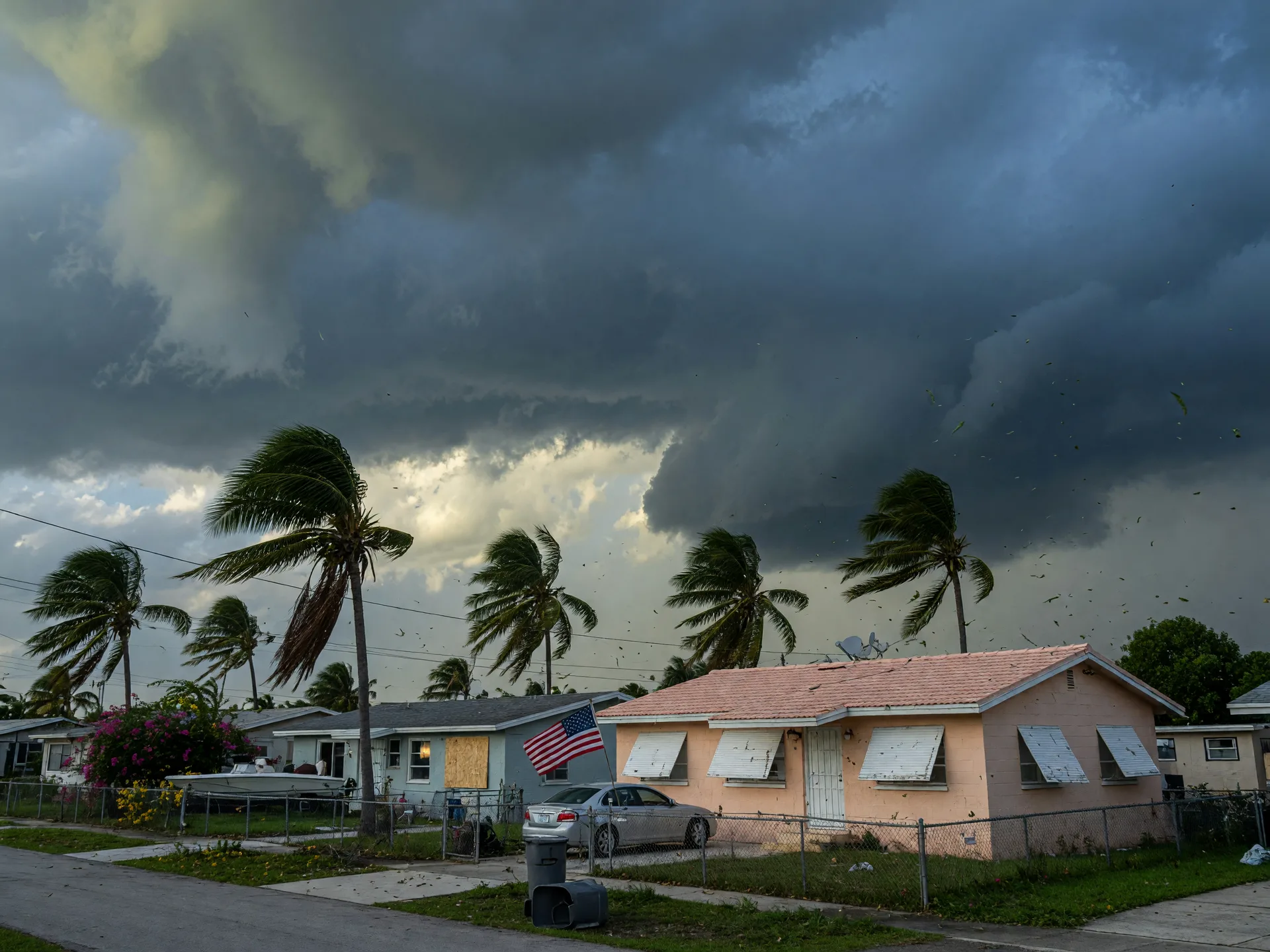
The five reasons Florida insurance is so expensive
There is no single reason for high insurance costs. It is a combination of factors that create a perfect storm for premiums.
1. Hurricane and storm risk
Florida is the most hurricane-prone state in the country. Every year from June to November, the state faces the risk of major storms that can cause billions of dollars in damage. Insurers price this risk into every policy. Even if your home has never been damaged by a hurricane, you are paying for the risk that it could be. A single major hurricane can cost insurers $20 billion to $50 billion or more, and those losses are recovered through higher premiums for every policyholder in the state.
2. Frequent non-hurricane claims
Florida leads the nation in non-weather-related property insurance claims, particularly water damage claims from plumbing leaks, AC condensation issues, and mold. Florida's humid climate and aging housing stock mean water damage claims happen year-round, not just during hurricane season. Florida also historically had issues with assignment of benefits (AOB) abuse, where contractors would file inflated claims on behalf of homeowners, driving up costs for everyone. Recent legal reforms have helped, but the effects are still working through the system.
3. Reinsurance costs
Insurance companies buy their own insurance, called reinsurance, to protect themselves against catastrophic losses from major hurricanes. Reinsurance is priced based on risk, and Florida is one of the riskiest places on earth for insurers. Reinsurance costs have more than doubled in the last five years, and those costs are passed directly to consumers. When a global reinsurance company raises rates in Bermuda or London, Florida homeowners feel it in their premiums.
4. Fewer insurers, less competition
Several major national insurers have either stopped writing new policies in Florida or significantly reduced their exposure. Some have gone bankrupt. This leaves fewer companies competing for your business, which means less downward pressure on premiums. Many homeowners are forced into Citizens Property Insurance Corporation, the state-run insurer of last resort, which was originally designed as a backup but is now the largest property insurer in the state. Citizens rates are often higher than private market rates and subject to surcharges if a major hurricane hits.
5. Litigation and legal costs
Florida has historically had a high rate of insurance-related litigation, with a disproportionate share of the nation's property insurance lawsuits. Even though recent legal reforms have reduced frivolous lawsuits, the legacy of high litigation costs is baked into insurance pricing. Insurers have lost money in Florida for years due to litigation costs, and they are now trying to return to profitability through higher premiums.
How Florida compares to other states
- National average homeowners insurance: approximately $1,500 per year
- Florida average: approximately $3,600 to $6,000 per year (depending on location and coverage)
- Texas average: approximately $2,500 to $3,500 per year (also high due to weather risk)
- California average: approximately $1,200 to $1,800 per year (wildfire areas are higher)
- Midwest average: approximately $1,000 to $1,500 per year
Coastal Florida counties like Palm Beach County are among the most expensive in the state. Homes within 5 miles of the coast typically pay 20-50% more than homes farther inland.
How to lower your insurance costs
- Shop around — get quotes from at least 3-5 insurers. Premiums can vary by thousands for the same coverage
- Increase your deductible — raising your deductible from $1,000 to $2,500 or $5,000 can lower your premium significantly
- Bundle policies — combining homeowners and auto insurance with the same company usually saves 5-15%
- Wind mitigation inspection — if your home has hurricane straps, impact windows, or a newer roof, a wind mitigation credit can reduce your premium by 10-40%
- Upgrade your roof — a newer roof with modern building codes can save significantly on insurance. Some insurers will not even insure homes with roofs over 15-20 years old
- Install storm shutters or impact windows — these reduce hurricane damage risk and earn insurance discounts
- Improve your credit score — in Florida, insurers use credit-based insurance scores to set rates. Improving your credit can lower your premium
My advice on insurance costs
Insurance is one of the first things to check when you start looking at homes in South Florida. Buyers sometimes fall in love with a home, only to discover the insurance is thousands per year and blows their budget. Before you make an offer, know what insurance will cost for that specific property. An insurance agent can give you a quote based on the home's location, age, roof condition, and features. Factor that into your monthly budget from day one, and there will be no surprises.