Your three options after the inspection
Option 1: Proceed as-is
If the inspection reveals only minor issues (a dripping faucet, a loose doorknob, normal wear and tear), you may choose to proceed without asking for repairs. This is common with newer homes or homes that have been well maintained. It keeps the transaction simple and shows the seller you are a serious buyer. Your inspection report still gives you a maintenance checklist for things to address after you move in.
Option 2: Negotiate repairs or credits
This is the most common outcome. You submit a "repair request" or "inspection resolution" to the seller listing the issues you want addressed. In Florida, you typically have a set number of days (often 5-10) to negotiate after receiving the inspection report. You can ask for specific repairs to be done before closing, or you can ask for a credit at closing so you can handle the repairs yourself. Sellers can accept, counter, or reject your request. Be reasonable: focus on major issues (roof, HVAC, electrical, plumbing, structural) rather than cosmetic items.
Option 3: Walk away
If the inspection reveals serious, expensive problems (foundation issues, major roof leaks, mold, termite damage, faulty wiring) and the seller is unwilling to address them or offer a reasonable credit, you can walk away. Your inspection contingency protects your earnest money deposit in this scenario. You must notify the seller in writing within the contingency period specified in your contract. Beyond that deadline, you may forfeit your deposit if you back out.
Florida-specific inspection concerns
Florida homes have some unique issues that inspectors pay special attention to. Here is what you should watch for:
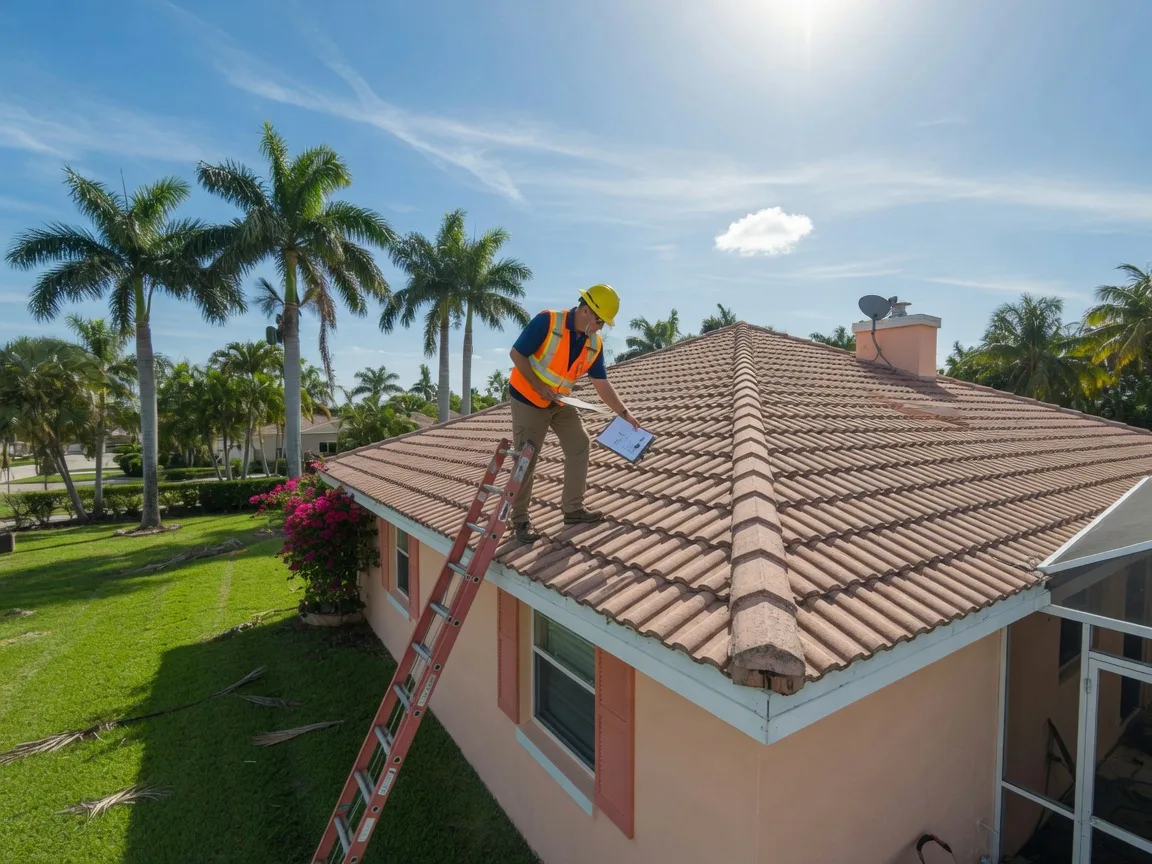
- Roof age and condition — Florida's sun, humidity, and hurricanes take a toll on roofs. A roof over 15-20 years old is a major concern. Insurance companies may require roof certification or refuse to insure an old roof
- HVAC system age — Air conditioning units work year-round in Florida and typically last 10-15 years. An aging AC in a hot South Florida summer is a priority repair
- Moisture and mold — Florida's humidity makes moisture intrusion and mold common issues. An inspector should check for signs of water damage, especially in bathrooms, kitchens, and around windows
- Termites and wood-destroying organisms — Florida is prime termite territory. A WDO (wood-destroying organism) inspection is often required by lenders. Active termite infestations need professional treatment
- Wind mitigation features — For insurance purposes, inspectors check for hurricane straps, impact windows, and other wind mitigation features that can lower your insurance premiums
- Plumbing in older homes — Polybutylene pipes were commonly used in Florida homes built between 1978 and 1995 and are prone to failure. Cast iron pipes in older homes may also need attention
Typical repair request strategy
I generally advise buyers to focus on the following when submitting repair requests: safety issues (exposed wiring, broken railings, mold), major systems (roof, HVAC, plumbing, electrical, water heater), code violations, and items that would cost more than $500 to fix. Cosmetic issues like paint color, carpet condition, or minor cracks in the driveway are not worth negotiating. You want to ask for the things that matter and not seem unreasonable, which can sour the deal.
How to handle inspection results
- Read the full report — your agent should walk through it with you and explain what matters
- Get estimates — for major issues, get contractor quotes so you know what repairs would actually cost
- Prioritize — separate deal-breakers from nice-to-fixes
- Draft a reasonable request — your agent will help you write the repair request letter
- Be prepared to compromise — sellers may counter, especially in a strong market
- Get a final walkthrough — before closing, verify any agreed-upon repairs were completed
My advice on home inspections
Never skip the home inspection. Even on new construction, a professional inspection can catch issues you would never notice. The $400-$600 you spend on an inspection is one of the best investments you will make in the home buying process. Inspections regularly reveal repairs that add up to far more than the inspection fee on homes that looked perfect — and they sometimes stop buyers from walking into a financial nightmare. Your inspection contingency is your safety net. Use it wisely.