August 13, 2026 · By Ryan Parker
7 condo buying mistakes to avoid in South Florida (2026)
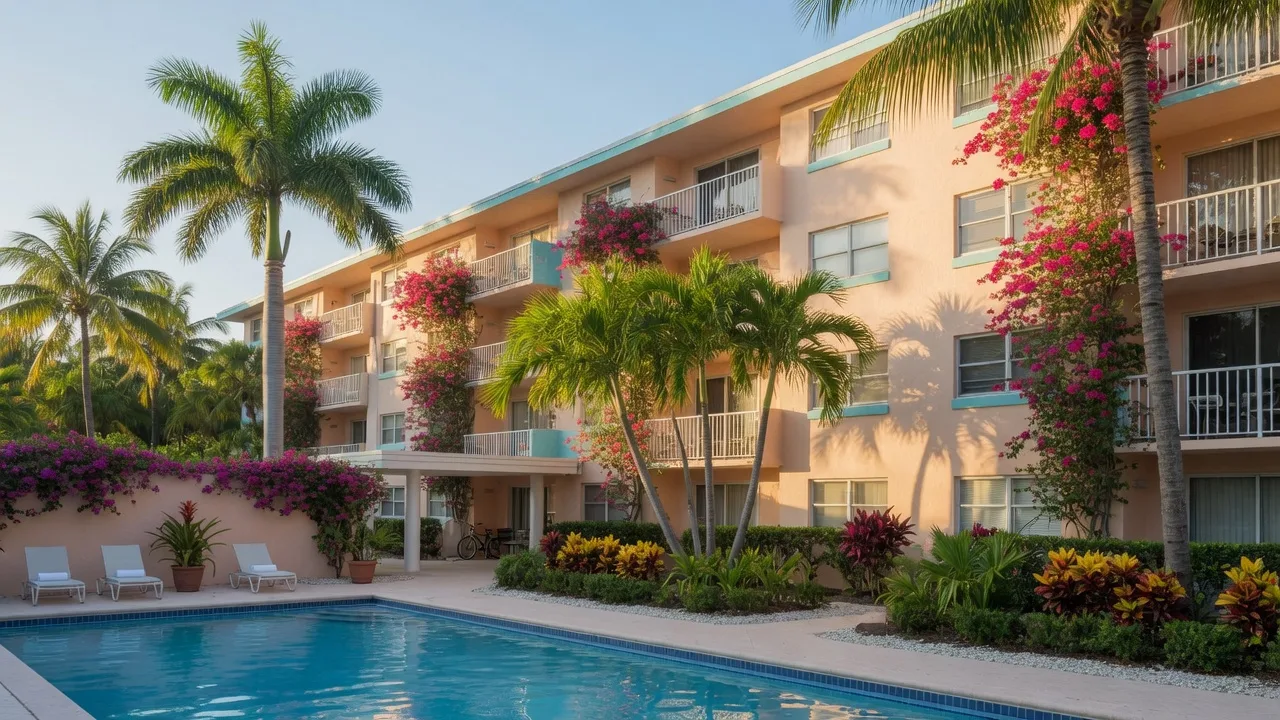
Buying a condo in South Florida can be a smart move. Lower purchase prices than single-family homes, less maintenance, access to pools and gyms, and often a more affordable entry point into neighborhoods like Delray Beach, Boca Raton, and Boynton Beach. But condos come with their own set of pitfalls that first-time and even experienced buyers can miss.
Since the Surfside condo collapse in 2021, Florida's condo laws have changed dramatically. New inspection requirements, mandatory reserve studies, and stricter financial rules mean that buying a condo today is different from buying one five years ago. Here are seven mistakes I see buyers make most often, and how to avoid every single one of them.
1. Skipping the HOA documents
This is the number one mistake I see. Buyers tour a condo, fall in love with the view and the pool, make an offer, and never actually read the association's governing documents. In Florida, the condo association's rules, bylaws, and financial statements tell you what you're really signing up for.
The documents reveal things like rental restrictions (can you lease out the unit?), pet rules, age restrictions, parking policies, and whether the association has pending lawsuits. Florida law gives you the right to review these documents before closing, and in most cases you have a 3-day rescission period after receiving them. Use that time.
What to do: Ask your agent to get the condo documents (CC&Rs, bylaws, rules and regulations, meeting minutes, and financial statements) before you make an offer. If you're under contract, read them within your rescission window. If something feels off, you can walk away.
2. Ignoring the building's structural inspection status
After the Surfside tragedy, Florida passed SB 4-D, which requires milestone structural inspections for all condos three stories or taller. Buildings within three miles of the coastline need their first inspection at 25 years (30 years for inland buildings), then every 10 years after that.
As of 2026, buildings that reached 30 years before July 1, 2022 should have already completed their milestone inspection — if they haven't, that's a red flag. The Structural Integrity Reserve Study (SIRS) is also mandatory, covering the roof, foundation, load-bearing walls, waterproofing, electrical, plumbing, and more. And as of January 1, 2025, condo associations can no longer vote to waive reserve funding for these structural items. If the building hasn't done its SIRS, expect big assessments coming.
What to do: Ask whether the building has completed its milestone inspection and SIRS. If it hasn't, find out when it's scheduled and what the estimated costs are. That information belongs in your negotiation.
3. Overlooking special assessments
A special assessment is a one-time fee the association charges every unit owner to cover major expenses — roof replacement, concrete restoration, elevator repairs, or storm damage deductibles. These can range from a few thousand dollars to $30,000 or more per unit. In buildings that have deferred maintenance, the number can be even higher.
About 40% of Florida condo owners face a special assessment in a given year. And with the new reserve requirements, many buildings that previously underfunded reserves are now playing catch-up. That cost lands on you as the owner.
What to do: Ask for the last 12 months of HOA meeting minutes. Look for any discussion of upcoming repairs, reserve studies, or special assessment votes. Also ask the seller directly: are there any pending or anticipated special assessments? In Florida, sellers must disclose pending assessments to buyers.
4. Not understanding the estoppel letter
An estoppel letter is a formal document from the condo association that states the exact financial standing of the unit you're buying. It tells you the current monthly assessment, any unpaid dues, upcoming special assessments, fines, or violations attached to the unit.
Why does this matter? In Florida, the buyer can be held jointly responsible with the seller for any unpaid HOA dues or assessments at closing. The estoppel letter protects you by getting it in writing from the association exactly what is owed. Once the association issues the estoppel letter, they can't come back later and claim additional unpaid amounts from the previous owner.
What to do: Never close without reviewing the estoppel letter. Your title company or attorney usually orders it, but make sure you see the final version before closing. If the numbers don't match what you expected, ask questions.
5. Forgetting to check the reserve fund
The reserve fund is the association's savings account for future major repairs. A healthy reserve means the building is saving for roof replacements, repainting, paving, and other big ticket items. A low reserve fund means those costs will come as special assessments or fee increases.
Under Florida's new laws, associations must conduct a Structural Integrity Reserve Study every 10 years for buildings three stories and taller, and they must fully fund reserves for structural components. But non-structural items (like landscaping, pool furniture, or painting) can still be underfunded if the members vote to waive reserves.
What to do: Ask for the latest reserve study and check the "percent funded" number. Below 30% is a concern, especially in an older building. Look at the association's financial statements to see how much cash is actually in the reserve account.
6. Budgeting only for the mortgage payment
The monthly payment on a $300,000 condo might look great on paper — until you add in the HOA fee, property taxes, homeowners insurance, windstorm insurance, and possibly flood insurance. In South Florida, insurance costs alone can add $400 to $1,000+ per month depending on the building's location, age, and wind mitigation features.
Here's the real monthly picture for a typical South Florida condo in the $250K$350K range:
- Mortgage (P&I) $1,350
- HOA fee $400
- Property taxes $325
- Insurance bundle $550
- Total monthly $2,625
What to do: Run the full numbers before you start shopping. Use our closing cost calculator to estimate upfront costs, and add up every monthly expense — not just the mortgage. Our neighborhoods by budget page can help you see what different areas actually cost.
7. Not checking rental and pet restrictions
Many South Florida condo associations limit or prohibit rentals. Some allow long-term leases only (minimum 6 or 12 months), while others restrict the percentage of units that can be rented at any time. If you're buying as an investment or think you might need to rent the unit out someday, these restrictions matter.
Pet restrictions are another big one. Some buildings have weight limits (25 lbs max), breed restrictions, or a maximum of one pet. Others don't allow pets at all. If you have a dog or cat, or plan to get one, confirm the rules before you make an offer.
What to do: Read the association's rules and regulations specifically for rental and pet policies. Don't rely on what the seller or the listing agent says — get it from the official documents. Once you close, the HOA rules are binding.
The bottom line: do your condo homework
Buying a condo in South Florida is different from buying a single-family home. The monthly cost includes layers beyond the mortgage — HOA fees, special assessments, insurance, and reserves. And the legal landscape has changed significantly since the Surfside collapse. A condo that looks affordable on paper might come with surprise costs if you skip the due diligence.
The good news is that every one of these mistakes is avoidable. Read the documents, ask the right questions, and work with someone who knows the local market and the new condo laws. That's what I'm here for.
If you're considering a condo in Delray Beach, Boca Raton, Boynton Beach, or anywhere in Palm Beach County, reach out and let's talk. I'll walk you through the numbers, the documents, and what to watch for.
Quick checklist for condo buyers
Review HOA governing documents (CC&Rs, bylaws, rules) before or right after making an offer.
Confirm the building has completed its milestone inspection and SIRS (required for buildings 3+ stories).
Check reserve funding levels — below 30% funded is a warning sign.
Ask about pending or recent special assessments.
Review the estoppel letter before closing.
Calculate the true monthly cost: mortgage + HOA + taxes + insurance + flood insurance.
Read rental and pet restrictions in the official rules.
Looking for more help? Check out the First-Time Buyer Guide for step-by-step help, explore financing options to see what loan fits your situation, or visit RyanParkerRealty.com for market stats and active listings.

Ryan Parker
Realtor · Coldwell Banker Realty · SL3571861
Ryan Parker is a South Florida real estate agent with Coldwell Banker Realty, helping buyers, sellers, and investors in Delray Beach, Boca Raton, Highland Beach, Gulf Stream, and Boynton Beach. He specializes in helping everyday people navigate the South Florida market — including condos, townhomes, and single-family homes in the $250K$600K range.