August 24, 2026 · By Ryan Parker
Being a Landlord in South Florida: What You Need to Know Before You Rent Out Your Property
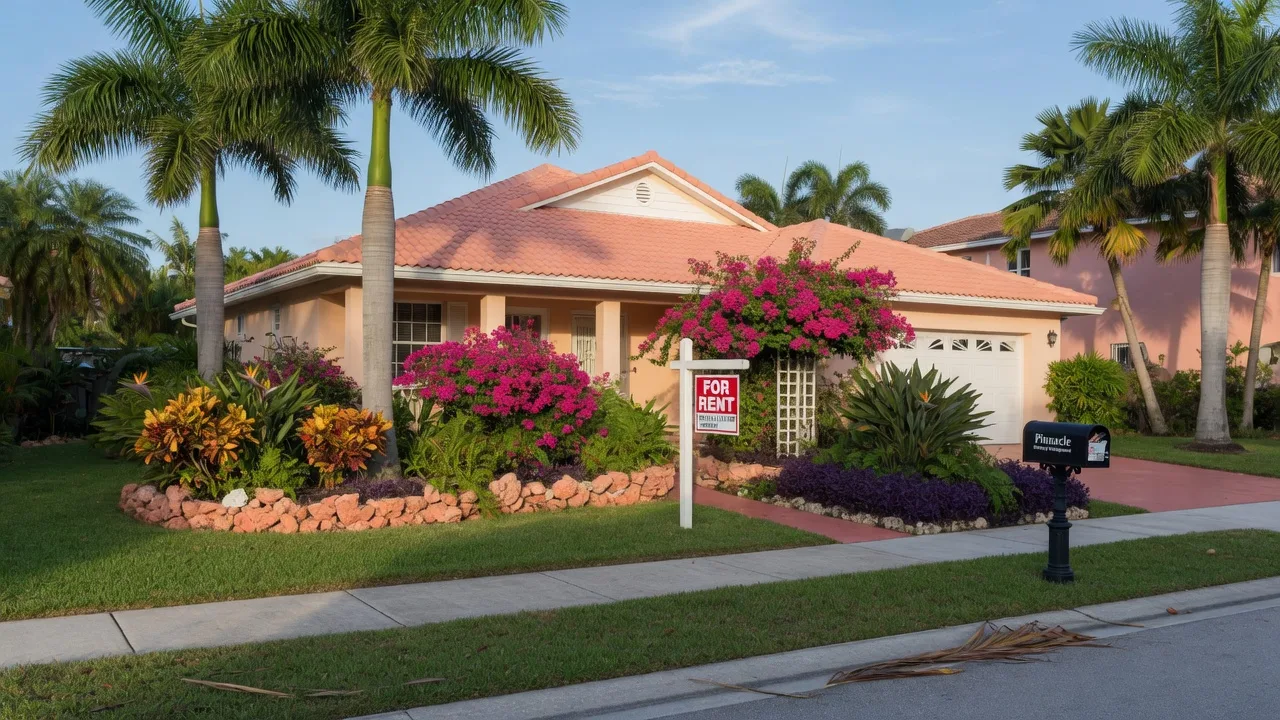
Renting out a property in South Florida can be a solid move. The region's year-round demand, growing population, and limited housing inventory mean rental properties typically stay occupied. But being a landlord here comes with specific rules, costs, and responsibilities that are different from other parts of the country.
Whether you are thinking about renting out your current home and buying another, or you are considering buying a property specifically as a rental investment, this guide covers what you need to know about being a landlord in South Florida. I focus on the practical side: the laws, the insurance, the taxes, and the day-to-day reality of renting property in Palm Beach County and the surrounding area.
For investment-property math and return expectations, read our companion guide: Average Return on Rental Properties in South Florida.
Florida landlord-tenant law: the basics
Florida has specific laws that govern the relationship between landlords and tenants. These are laid out in Chapter 83 of the Florida Statutes, and any landlord operating in the state needs to understand the basics.
Written leases for longer terms
Written leases are required for tenancies that last one year or more. Shorter-term oral agreements are technically enforceable, but a written lease is strongly recommended for all tenancies. It protects both you and your tenant by putting the terms in writing.
Security deposits have strict rules
Florida law requires landlords to either hold security deposits in a separate interest-bearing account or post a surety bond. You must notify tenants in writing within 30 days of how their deposit is being held. When the lease ends, you have 15 days to return the deposit or 30 days to provide an itemized list of deductions.
Entry notice requirements
Florida law requires landlords to give 24 hours notice before entering a tenant's unit, except in emergencies. This is a common point of confusion for new landlords.
Eviction is a legal process
You cannot force a tenant to leave by changing locks, shutting off utilities, or removing belongings. Eviction must go through the county court system. In Palm Beach County, evictions typically take 3 to 6 weeks from filing to sheriff-executed removal, assuming no legal challenges from the tenant.
I am not an attorney. This overview is for educational purposes only. Florida landlord-tenant law is detailed and changes over time. Always consult with a qualified Florida real estate attorney before drafting leases, handling deposits, or initiating eviction proceedings. I can connect you with trusted local attorneys who specialize in this area.
Insurance for rental properties
Insurance is different when you rent out a property. A standard homeowners insurance policy typically does not cover rental properties. You will need a landlord or dwelling fire policy (also called a DP policy) designed specifically for rental properties.
What a landlord policy covers
Building structure, liability protection if a tenant or visitor is injured on the property, and potentially loss of rental income if the property becomes uninhabitable due to a covered loss. It typically does not cover the tenant's personal belongings. They need their own renter's insurance for that.
Florida-specific concerns for rentals
Wind and hurricane coverage is still needed on rental properties. Flood insurance is also separate (standard landlord policies do not cover flood). If your rental is in a flood zone, you will need a separate flood policy through the NFIP or private market. Insurance costs for rentals are generally higher than for owner-occupied homes because the property has more turnover and risk exposure.
Require tenants to carry renter's insurance
This is a best practice every Florida landlord should follow. Requiring renter's insurance in the lease protects both of you. If the tenant's guest is injured or their property is damaged, their policy handles it, not yours. It also reduces the likelihood that small issues turn into claims on your policy.
For a full overview of how insurance costs break down in our area, read: Insurance Cost by City 2026.
Tax implications of rental income
Rental income is taxable income. The IRS requires you to report all rent payments you receive. But there are also valuable deductions available to landlords that can reduce your tax burden significantly.
Typical deductible expenses include:
Depreciation is one of the most powerful tax benefits of rental property ownership. The IRS allows you to deduct a portion of the property's value (excluding land) each year over 27.5 years, even if the property is appreciating in market value. This paper deduction can offset a large portion of your rental income for tax purposes.
When you eventually sell a rental property, depreciation recapture applies. The IRS taxes the depreciation you have taken (or could have taken) at a rate of up to 25%. This is where 1031 exchanges come in. They allow you to defer capital gains taxes and depreciation recapture by reinvesting the proceeds into another like-kind property.
I am not a tax professional. Every investor's situation is different. Work with a CPA or tax professional who understands Florida real estate and rental property taxation. I can connect you with trusted local CPAs who specialize in this area.
Property management: DIY vs hiring a pro
One of the first decisions you will make as a landlord is whether to manage the property yourself or hire a professional property management company. Here is how the two options compare in South Florida:
Self-management
- You keep the 8 to 12 percent monthly fee a manager would charge
- Direct control over tenant selection, maintenance decisions, and scheduling
- Time commitment includes tenant calls at all hours, coordinating repairs, and dealing with emergencies
- Legal risk is on you personally for compliance with Florida landlord-tenant law
- Best for local landlords with one or two properties who have the time and temperament for tenant management
Professional management
- Costs 8 to 12 percent of monthly rent, plus leasing fees (often one month's rent for new tenant placement)
- They handle all tenant communication, maintenance coordination, rent collection, and legal compliance
- Established relationships with contractors, attorneys, and vendors
- Professional screening processes that individual landlords may lack
- Best for out-of-town owners, multiple properties, or anyone who does not want to be on call 24/7
In our area, property management companies are widely available. Many specialize in Palm Beach County and know the local market, tenant laws, and contractor network. A typical lease renewal fee from a management company runs $120 to $200.
Finding and screening tenants
The quality of your tenants is the single biggest factor in whether being a landlord is a good experience or a stressful one. Here are the key steps every landlord should take:
- Set a consistent screening process. Apply the same standards to every applicant. Do not skip steps because they seem nice in person.
- Check credit and background. Use a professional screening service. Standard checks include credit report, criminal background, eviction history, and employment verification.
- Verify income. Ask for pay stubs, tax returns, or bank statements. A standard guideline is that rent should be no more than 30 to 33 percent of gross monthly income.
- Talk to current and prior landlords. This is one of the most revealing steps. A phone call to a previous landlord can tell you more than a credit report.
- Meet face to face. Whether in person or via video call, a conversation before approving an application helps both sides.
Fair housing laws apply to landlords. The Florida Fair Housing Act and federal Fair Housing Act prohibit discrimination based on race, color, religion, sex, national origin, disability, and familial status. Your tenant screening process must apply consistently to all applicants.
Costs to expect as a South Florida landlord
Beyond the mortgage and taxes, here are the ongoing costs of being a landlord in our area:
HOA or condo fees: If your rental is in an HOA community or condo building, the fees are your responsibility. Most HOAs allow rentals but have rules about lease duration (often minimum 6 to 12 months) and may charge a transfer or rental application fee.
Maintenance reserve: Plan to set aside 1 to 2 percent of the property's value per year for maintenance. For a $350,000 rental, that is $3,500 to $7,000 per year. Roofs, HVAC, plumbing, and appliances all have lifespans that require replacement.
Vacancy expense: Even in a strong market, units occasionally sit empty. Budget for 1 to 2 months of vacancy per year between tenants.
Repair fund: Air conditioning units break, toilets overflow, and appliances fail. Have a $2,000 to $5,000 emergency fund per property.
Pest control: Termite bonds are common in Florida and cost $150 to $300 per year. Regular pest control for ants and roaches runs $40 to $80 per month.
For a detailed breakdown of the hidden costs of homeownership (which also apply to rentals): Hidden Costs of Owning a Home in Florida.
Should you manage or hire out? A quick decision framework
If you are considering renting out a property in South Florida, ask yourself these questions:
- Do you live within 30 minutes of the rental property? If yes, self-management is more feasible.
- Do you have the time to take calls at 9 PM on a Sunday about a broken AC? If not, hire a manager.
- Do you have a network of trusted contractors (plumber, electrician, handyman)? This makes self-management easier.
- Do you plan to scale to multiple properties? A management company simplifies growth.
- Are you buying sight-unseen or from out of state? Hire a property manager from day one.
Many landlords start with self-management for their first property and transition to a professional manager as they add more properties or realize the time commitment. There is no one right answer, only what fits your specific situation.
If you are looking at properties specifically for rental investment, see: Best Neighborhoods for Real Estate Investment in South Florida.
Thinking about renting out a property?
I help investors and homeowners understand the full picture before they become landlords. Let me connect you with the right professionals, including attorneys, CPAs, and property managers.
Key takeaways
- Florida has specific landlord-tenant laws. Security deposit rules, entry notice requirements, and eviction procedures are all defined in state statutes. Work with a Florida real estate attorney before leasing your first property.
- Insure correctly. Standard homeowners insurance does not cover rental properties. You need a landlord or dwelling fire policy, plus separate wind and flood coverage.
- Tax deductions matter. Mortgage interest, property taxes, insurance, repairs, property management fees, and depreciation can all reduce your taxable rental income.
- Budget for the real costs. HOA fees, maintenance reserve, vacancy expense, and an emergency repair fund should all be factored into your rental budget.
- Property management is optional but worth considering. It costs 8 to 12 percent of monthly rent but saves time and reduces legal risk. For out-of-town landlords, it is almost always worth it.

Ryan Parker
Realtor · Coldwell Banker Realty · SL3571861
Ryan Parker is a South Florida real estate agent with Coldwell Banker Realty, specializing in Delray Beach, Boca Raton, Highland Beach, Gulf Stream, Boynton Beach, and the surrounding areas. He helps buyers, sellers, owners, and investors make confident real estate decisions with honest, no-pressure guidance.
Ask Ryan a questionRelated resources
1031 Exchanges Explained
Defer capital gains tax when selling an investment property.
Average Rental Returns
What returns can you expect on South Florida rentals?
Hidden Costs of Owning
Beyond the mortgage: what owners actually pay.
Ask Ryan Anything
Common questions about South Florida real estate.