July 13, 2026 · By Ryan Parker · Updated October 13, 2026
South Florida property tax guide — what every buyer and seller should know
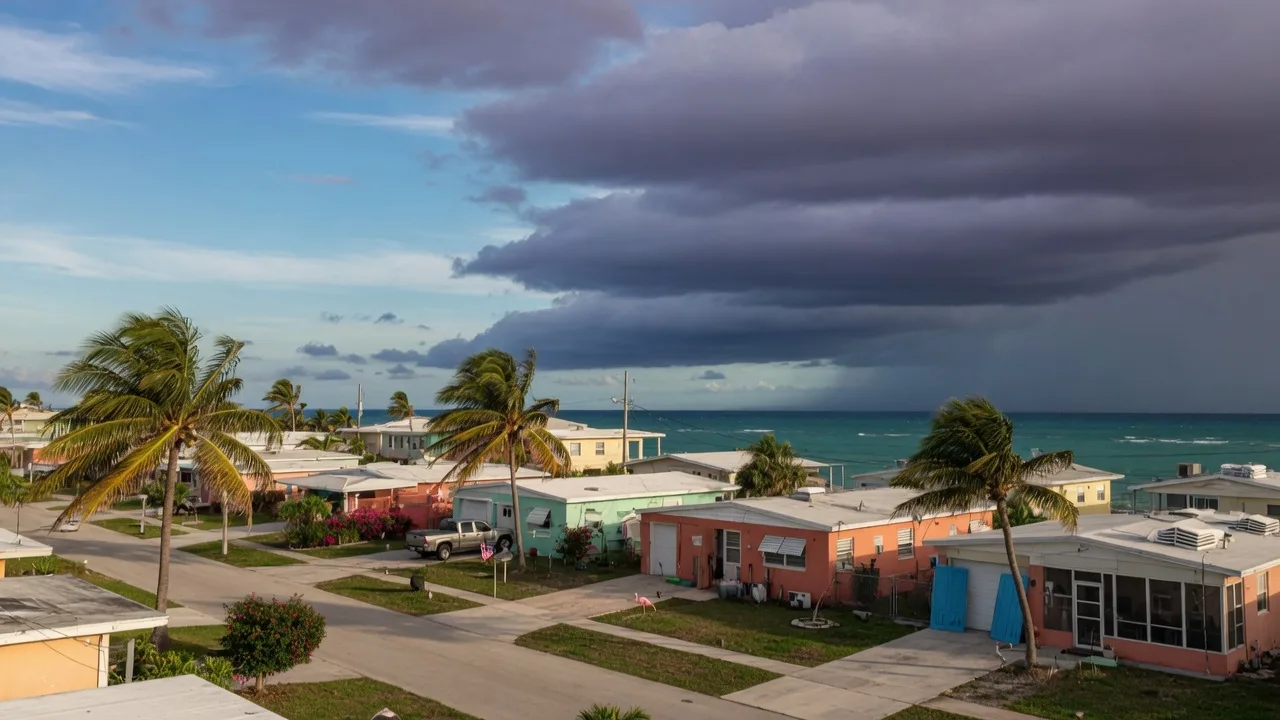
Property taxes are one of the biggest ongoing costs of homeownership in South Florida — and one of the most misunderstood. Whether you're buying your first home or selling one, understanding how property taxes work in Palm Beach, Broward, and Miami-Dade counties can save you thousands of dollars and prevent nasty surprises at closing.
This guide covers the essentials: how millage rates work, what exemptions are available, how taxes vary across South Florida, and what happens to your tax bill when you buy or sell a home.
How Florida property taxes actually work
Florida property taxes are calculated using a system called millage rates. A "mill" is $1 of tax for every $1,000 of assessed value. So a millage rate of 20 mills means you pay $20 for every $1,000 of assessed value — or about 2%.
But there are two key values to understand:
- • Assessed value: What the county appraiser says your property is worth for tax purposes. If you have a homestead exemption, this can't increase more than 3% per year or the rate of inflation, whichever is lower (2.7% for 2026), even if your market value goes up 10%.
- • Just (market) value: What your home would sell for on the open market. This is used to calculate taxes for non-homesteaded properties and caps the assessed value at 110% of just value for homesteaded properties.
Your total tax bill is calculated by multiplying your assessed value (minus any exemptions) by the total millage rate for your area.
Millage rates by county: South Florida's three counties
South Florida spans three counties, and the total millage rate varies depending on where your property sits — not just which county, but which city, school district, and special taxing districts apply to your address.
Palm Beach County
Covers Delray Beach, Boca Raton, Boynton Beach, Highland Beach, Gulf Stream, and surrounding areas.
- • Total millage rate: roughly 18–21 mills depending on location
- • Effective tax rate: approximately 1.0%–1.3% of assessed value
- • On a $350,000 home with homestead: roughly $3,500–$4,200/year
Broward County
Covers Deerfield Beach, Lighthouse Point, Coconut Creek, Pompano Beach, and surrounding areas.
- • Total millage rate: roughly 18–20 mills
- • Effective tax rate: approximately 1.0%–1.15% of assessed value
- • On a $350,000 home with homestead: roughly $3,400–$4,000/year
Miami-Dade County
Covers Miami, Homestead, Coral Gables, and surrounding areas.
- • Total millage rate: roughly 19–23 mills
- • Effective tax rate: approximately 1.1%–1.4% of assessed value
- • On a $350,000 home with homestead: roughly $3,800–$4,600/year
Important: These are approximate ranges. Your actual tax bill depends on your exact address, which determines which school district, city, and special districts apply. Always check the county property appraiser's website for the exact millage on any property you're considering.
The homestead exemption — your most valuable tax break
Florida's homestead exemption is the single most valuable property tax benefit available to homeowners. Here's how it works:
- $51,411 reduction (2026) in assessed value. The first $25,000 applies to all property taxes, and the additional exemption, inflation-adjusted to $26,411 for 2026, applies to all taxes except school district taxes.
- Cap on assessment increases. Once you have a homestead exemption, your assessed value can't increase more than 3% per year or the rate of inflation, whichever is lower (2.7% for the 2026 tax year) — even if your home's market value jumps 15%. This is a massive long-term benefit.
- Save Our Homes portability. If you sell a homesteaded home in Florida and buy another, you can transfer up to $500,000 of your accumulated "Save Our Homes" benefit (the difference between assessed and market value) to your new property.
To claim the homestead exemption, you must own and occupy the property as your primary residence by January 1 of the tax year, and file with the county property appraiser's office by March 1. It's free to file, and it can save you $500–$1,500+ per year depending on your property value.
Additional exemptions you should know about
Senior homestead exemption (age 65+)
In addition to the standard homestead, residents age 65 and older may qualify for additional exemptions of $25,000–$50,000, depending on the county. Some cities (like Boca Raton and Boynton Beach) offer their own additional senior exemptions. Combined with the standard homestead, total savings can reach $2,000–$4,000/year.
Veterans exemption
Disabled veterans may qualify for additional exemptions based on their disability rating — up to a full exemption for 100% permanently and totally disabled veterans. Disabled veterans of any age who are partially or completely disabled from combat-related service may also qualify. The exemption amount varies by disability percentage and county.
Widow/Widower exemption
Florida offers a $500 exemption for qualifying surviving spouses of veterans who died from service-connected disabilities, or spouses of first responders who died in the line of duty.
What happens to property taxes when you buy a home
This is where things get interesting — and where a lot of buyers get surprised:
- Non-homesteaded properties reset. If you're buying a home that the seller has homesteaded for years, the assessed value may be significantly below market value. When the sale closes and the homestead transfers, the county can "reset" the assessed value to the purchase price (or close to it). This means your first-year property tax bill could be much higher than what the seller was paying.
- Budget for the reset. If you're buying a $350,000 home where the seller was paying $3,200/year in taxes, don't assume you'll pay the same. Your taxes could be $4,000–$4,500 until you establish your own homestead exemption.
- The seller pays through closing. In Florida, property taxes are paid in arrears — meaning the taxes you receive at closing cover the period the seller owned the home. Your lender will collect escrow from day one to build up funds for the next tax bill.
For a full breakdown of what you'll pay at closing, use our closing cost calculator. And if you're a first-time buyer, our first-time buyer guide walks through the entire process.
How to appeal your property tax assessment
If you believe your property's assessed value is too high, you have the right to appeal. Here's the process:
- Review your assessment. Check your county property appraiser's website. Compare your assessed value to recent comparable sales in your neighborhood.
- File a petition. You must file with the Value Adjustment Board (VAB) by the deadline listed on your assessment notice — typically in mid-September. There's a small filing fee ($15–$50).
- Gather evidence. Recent sales of comparable properties, photos of any condition issues, or a professional appraisal can support your case.
- Attend the hearing. You (or your representative) present your case to a special magistrate. It's a formal process but not intimidating — many homeowners represent themselves.
- Receive a decision. The magistrate makes a recommendation to the VAB, which issues a final order. If you disagree, you can appeal to circuit court.
You have the best shot at a successful appeal when you come prepared with clear comparable sales data. It's worth doing, especially if your assessment jumped significantly after a sale or market reassessment.
What sellers need to know
If you're selling a home in South Florida, property taxes come up in a few ways:
- • Prorated taxes at closing. You'll pay your share of property taxes through the date of closing. The title company handles the calculation.
- • Disclosure of homestead status. Your buyer needs to know that taxes will likely go up once the homestead exemption transfers. This affects their monthly payment calculation.
- • Documentary stamp taxes. Sellers in Florida pay $0.70 per $100 of the sale price in documentary stamp taxes. On a $350,000 sale, that's $2,450 — typically paid at closing.
- • Capital gains. If you've lived in the home as your primary residence for 2 of the last 5 years, you can exclude up to $250,000 (single) or $500,000 (married) in capital gains from federal taxes. Consult a tax professional for your specific situation.
The bottom line
South Florida property taxes are moderate compared to states like New York, New Jersey, or Illinois — but they're not trivial. A homesteaded $350,000 home in Palm Beach County will typically cost $3,500–$4,200/year in property taxes. The key is to claim every exemption you qualify for, understand what happens when a home changes hands, and budget for the full picture when calculating your monthly payment.
Have questions about property taxes on a specific home you're considering? Reach out — I'll help you run the numbers and understand exactly what you'll pay.

Ryan Parker
Realtor · Coldwell Banker Realty · SL3571861
Ryan Parker is a South Florida real estate agent specializing in affordable homes in Delray Beach, Boca Raton, and Boynton Beach.
For neighborhood deep-dives and market insights, visit RyanParkerRealty.com.