July 13, 2026 · By Ryan Parker · Updated October 13, 2026
Moving from New York to South Florida — everything you need to know
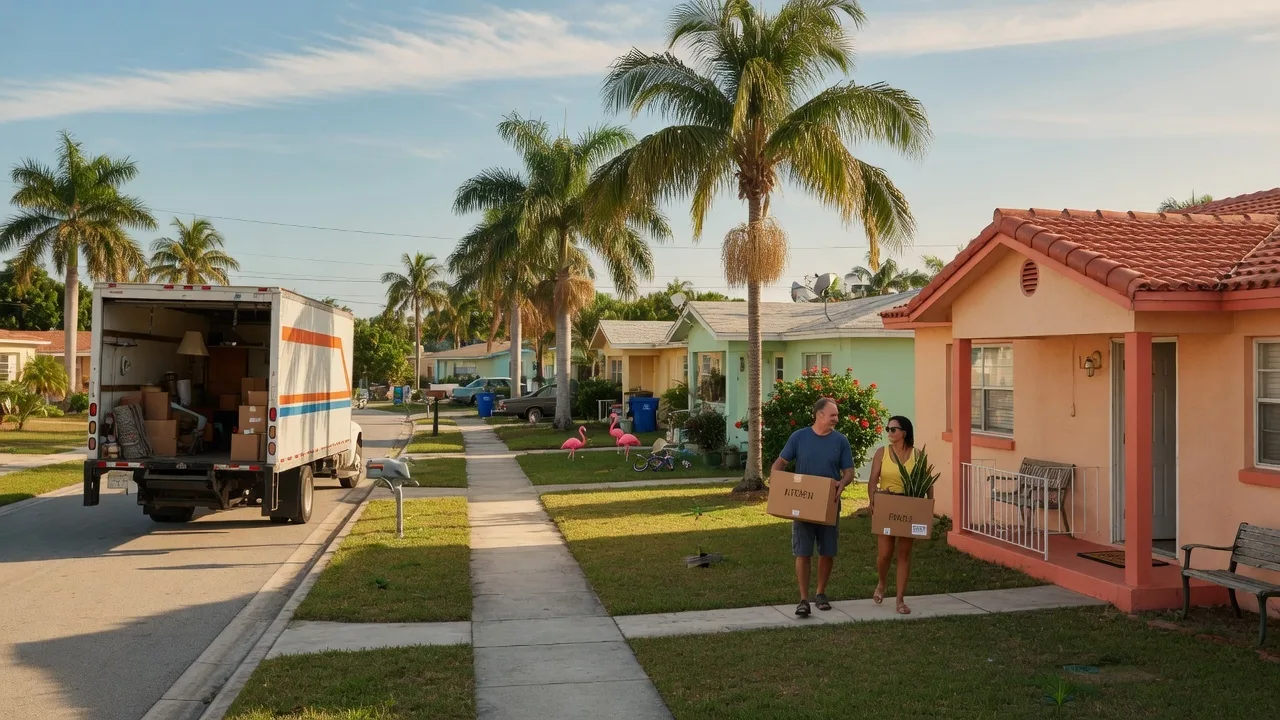
Every week, I talk to someone from the New York metro area who's thinking about making the move to South Florida. Some are chasing lower costs, some want more space, and some are just done with the cold. Whatever your reason, there are real, practical things you need to understand before you pack up and head south.
This guide covers the biggest differences between New York and South Florida — from your tax bill to your insurance bill, from neighborhood options to the everyday lifestyle shift. It's not about hype. It's about helping you plan a move that actually makes sense.
The no-state-income-tax advantage is real
This is the headline for most New York transplants, and it lives up to the hype. Florida has no state income tax — none. If you're earning $100,000 a year, that's roughly $6,000–$7,000 more in your pocket compared to New York State and City taxes. For many families, it's the equivalent of a significant raise just by changing your address.
But here's the catch: Florida makes up for it in other ways. Property taxes are moderate (not cheap), and homeowners insurance is significantly higher than what you're used to in New York. Your overall tax picture can still come out ahead, but it's not as simple as "no income tax = everything is cheaper." I break down the full cost comparison below.
Cost of living: what actually changes
Let's be honest about what gets cheaper and what doesn't when you move from New York to South Florida:
What's typically cheaper
- Rent: Average rents in the Delray Beach–Boynton Beach–Boca Raton corridor run $1,800–$2,800 for a 2-bedroom — significantly less than comparable units in the NYC metro.
- Home prices: You can buy a solid 3-bedroom home for $300K–$500K in many South Florida neighborhoods. Try finding that anywhere near New York City.
- Gas and groceries: Generally 5–15% lower than the NYC metro area.
- State income tax: Zero. As discussed above, this is a major savings.
What's the same or more expensive
- Homeowners insurance: Florida averages $8,400+/year in 2026 — among the highest in the nation. Coastal areas can be much more. This is the biggest shock for New York transplants.
- Property taxes: Depending on the county, rates range from about 1.0% to 2.0% of assessed value. Palm Beach County (where Delray Beach and Boca Raton sit) averages around 1.1%.
- HOA fees: Condos and townhomes often come with HOA fees of $200–$600/month. Single-family homes in planned communities may have lower fees or none at all.
- Electricity: A/C runs more months here. Summer electric bills can hit $200–$350/month for a typical home.
Best areas for New York transplants
South Florida isn't one place — it's a stretch of communities, each with a different feel. Here's where most of my New York clients end up, and why:
Delray Beach
Walkable downtown, a vibrant Atlantic Avenue restaurant and nightlife scene, and a real community feel. Delray has more of a "small city" vibe that New Yorkers tend to love. Homes range from $300K condos to $800K+ single-family homes, with plenty in the $350K–$550K range for move-up buyers.
Boynton Beach
More affordable than Delray or Boca, with newer construction and a growing downtown. Popular with families and first-time buyers. You'll find homes in the $250K–$450K range and newer condo communities. It's a solid value play if you want to be in Palm Beach County without the Palm Beach price tag.
Boca Raton
Known for its school district, well-maintained communities, and a slightly more polished feel. Prices start around $350K for condos and go up quickly for single-family homes. Boca is popular with families who prioritize schools — assignments depend on your exact address, so verify each property with the Palm Beach County School District school locator. Families willing to pay a bit more for the address are often the ones who end up here.
Deerfield Beach and Lighthouse Point
More affordable coastal options with a relaxed, local vibe. Good for buyers who want proximity to the beach without the premium of living in Boca or Delray. Homes in the $275K–$500K range are common.
For a deeper look at what's available at each price point, check our neighborhoods by budget guide.
What to expect when you get here
The lifestyle shift from New York to South Florida is real — and mostly positive, but worth thinking through:
- Weather: Yes, it's hot in summer. But the trade-off is no shoveling snow, no icy commutes, and outdoor activities year-round. Most people adjust within a few months.
- You'll need a car: Unlike New York City, South Florida is not built for public transit. A car is essential in most areas. Budget for car payments, insurance, and gas.
- Pace of life: It's slower. That's a feature, not a bug. But if you thrive on New York energy, give yourself time to adjust.
- Hurricane season: June through November, you'll need to be prepared. That means storm shutters or impact windows, an emergency kit, and a solid insurance policy. Read our homeowners insurance guide for what to expect.
The buying process is different here
If you're planning to buy in South Florida, there are some important differences from the New York real estate market:
- • Closing costs in Florida average 2–5% of the purchase price, and include title insurance, doc stamps, and escrow fees. Use our closing cost calculator to estimate your costs.
- • Homestead exemption: Once you buy and move in, you can file for Florida's homestead exemption, which reduces your taxable property value by up to $51,411 in 2026 and caps assessment increases at the lower of 3% or inflation (2.7% for 2026). This is a huge long-term benefit.
- • 4-point inspections: Many Florida insurers require a 4-point inspection (roof, electrical, plumbing, HVAC) before they'll write a policy. Older homes may need updates to qualify.
- • Wind mitigation: A wind mitigation inspection can save you 30–50% on windstorm insurance. It documents the storm-resistant features of your home.
The relocation timeline that works
Here's a realistic timeline for a typical New York-to-Florida move:
- 3–4 months out: Start researching neighborhoods, get pre-approved with a local lender, and visit South Florida for a weekend to see areas in person.
- 2–3 months out: Narrow your search, work with a local agent (that's me), and start looking at specific properties.
- 1–2 months out: Make an offer, go under contract, get your inspections, and line up your insurance.
- Closing week: Final walkthrough, sign documents, get your keys. Florida closings are typically handled by title companies, not attorneys like in New York.
- After closing: File your homestead exemption, update your driver's license (you have 10 days), register your vehicle, and settle in.
For a complete relocation checklist, see our relocating to South Florida guide.
The bottom line
Moving from New York to South Florida can be a fantastic financial and lifestyle decision — but it requires planning. The savings on income tax are real, the housing is more affordable, and the quality of life for most families is genuinely better. Just make sure you budget for the costs that surprise people: insurance, car expenses, and the occasional hurricane prep.
If you're thinking about making the move, I can help you find the right home at the right price. Reach out for a free consultation and let's talk through what makes sense for your situation.

Ryan Parker
Realtor · Coldwell Banker Realty · SL3571861
Ryan Parker is a South Florida real estate agent specializing in affordable homes in Delray Beach, Boca Raton, and Boynton Beach.
For neighborhood deep-dives and market insights, visit RyanParkerRealty.com.