July 13, 2026 · By Ryan Parker
Hurricane insurance and flood zones in South Florida — a plain-English guide
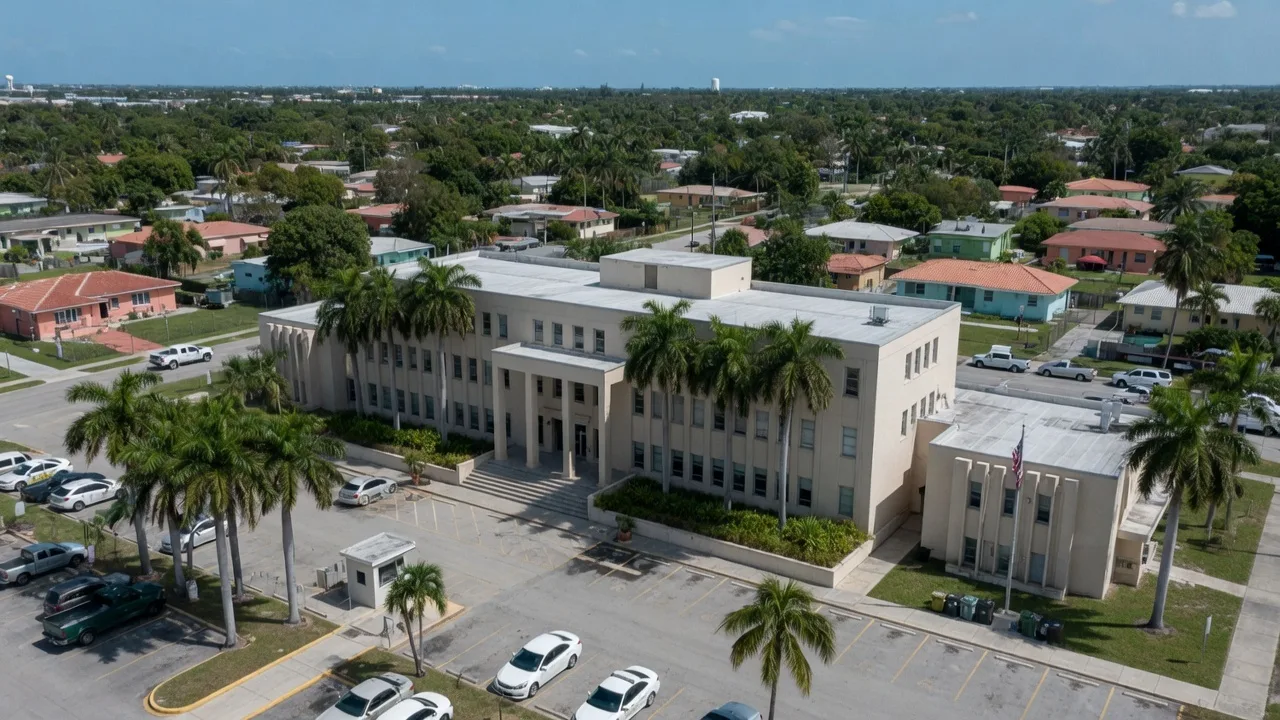
If you're buying a home in South Florida, understanding flood zones and insurance isn't optional — it's one of the most important financial decisions you'll make. Insurance costs here are the highest in the country, and the difference between being properly covered and underinsured can be tens of thousands of dollars when a hurricane hits.
This guide breaks down flood zones, wind insurance, flood insurance, and the mistakes that catch new buyers off guard. No insurance jargon — just plain English so you can make smart decisions and avoid overpaying.
Flood zones: what they are and why they matter
FEMA (the Federal Emergency Management Agency) maps flood risk into different zones. Your flood zone determines whether flood insurance is required, how much it costs, and how risky your property actually is. Here's what the zones mean:
High-risk zones (Zone A, AE, VE)
- • Flood insurance is required by virtually all mortgage lenders
- • These areas have a 1% annual chance of flooding (the "100-year floodplain")
- • VE zones are coastal areas with additional wave action risk
- • Insurance costs: $1,500–$5,000+/year depending on elevation, building characteristics, and distance from the coast
Moderate-risk zones (Zone B, X-shaded)
- • Flood insurance is not required but strongly recommended
- • These areas have a 0.2% annual chance of flooding (the "500-year floodplain")
- • Insurance costs: $400–$1,200/year — much cheaper than high-risk zones
- • Lenders may still require it depending on the property's history
Low-risk zones (Zone X, unshaded)
- • Flood insurance is not required
- • Low but not zero flood risk
- • Insurance is very affordable: $300–$600/year through the National Flood Insurance Program (NFIP)
- • Still worth considering — flooding can happen anywhere it rains hard enough
How to check a property's flood zone: Go to FEMA's Flood Map Service Center and enter the property address. You'll see the official flood zone designation. Your lender will also order a flood determination during underwriting.
Wind insurance vs flood insurance — they're completely separate
This is the single biggest point of confusion for new South Florida homeowners. Wind (hurricane) insurance and flood insurance are two different policies from two different sources. A standard homeowners policy covers fire, theft, and liability — but wind and flood are handled separately in Florida.
Wind (hurricane) insurance
- • Covers damage from wind, wind-driven rain, and flying debris during a named storm or hurricane
- • In Florida, wind coverage is often excluded from standard homeowners policies and sold as a separate "wind-only" policy through Citizens Property Insurance (the state insurer of last resort) or private carriers
- • Costs vary enormously: $1,000–$8,000+/year depending on location, roof age, construction type, and wind mitigation features
- • Wind mitigation inspection can save you 30–50% — document your roof attachment, opening protection, and roof covering for significant discounts
- • Deductibles are often percentage-based: 2%, 5%, or even 10% of the dwelling coverage. On a $350K home, a 5% deductible means you pay the first $17,500 of wind damage out of pocket
Flood insurance
- • Covers damage from rising water, storm surge, tidal flooding, and overflow of bodies of water
- • Available through the National Flood Insurance Program (NFIP) via FEMA, or through private flood insurance carriers
- • Required by lenders if the property is in a high-risk flood zone (Zone A or AE)
- • Costs: $700–$5,000+/year depending on zone, elevation, and building characteristics
- • NFIP maximum coverage is $250,000 for the building and $100,000 for contents — private policies often offer higher limits
- • Important: NFIP policies have a 30-day waiting period before coverage kicks in. You can't wait until a hurricane is approaching to buy it.
The key takeaway: neither policy covers what the other one does. Wind insurance doesn't cover flood damage, and flood insurance doesn't cover wind damage. In South Florida, you likely need both. For a full overview of homeowners insurance in general, see our homeowners insurance guide.
What new buyers get wrong about insurance
Here are the most common and expensive insurance mistakes South Florida buyers make:
Mistake #1: Assuming standard homeowners insurance covers everything
It doesn't. In South Florida, wind and flood are almost always separate. Your "homeowners insurance" may only cover fire, theft, and liability. Always ask your agent exactly what's covered and what's excluded.
Mistake #2: Not getting insurance quotes before making an offer
Insurance can be $5,000–$15,000+/year for a single property. If you make an offer and then discover the insurance is twice what you expected, it can blow up your budget. Get quotes before you commit. Ask your agent or insurance broker for a rough estimate based on the address.
Mistake #3: Skipping the wind mitigation inspection
A wind mitigation inspection costs $75–$150 and documents your roof's storm-resistant features: roof-to-wall attachments (clips vs. straps), roof covering age, opening protection (impact windows vs. shutters), and roof deck attachment. The right features can save you 30–50% on wind premiums — thousands of dollars per year.
Mistake #4: Assuming flood zones are the only flood risk
FEMA flood maps are often outdated and don't account for sea-level rise, development changes, or localized drainage issues. Flooding can happen in areas marked as low-risk. Even if your property isn't in a flood zone, flood insurance is worth considering — especially for ground-floor units and properties near canals or the Intracoastal.
Mistake #5: Choosing the cheapest policy without understanding coverage
The cheapest policy often has the highest deductible, the lowest coverage limits, and the most exclusions. In South Florida, where a single hurricane claim can be $50,000–$200,000, a cheap policy with a 10% deductible means you're paying the first $35,000 of damage yourself. Get multiple quotes, compare the coverage details (not just the premium), and make sure you can actually afford the deductible.
How much does insurance actually cost in South Florida?
Here's a realistic breakdown of what you can expect to pay for a typical $350,000 home in different parts of South Florida:
Typical annual insurance costs (estimated)
- • Homeowners insurance (HO-3, non-wind): $1,500–$3,000/year
- • Wind-only policy: $1,500–$5,000/year
- • Flood insurance (if in a high-risk zone): $1,500–$4,000/year
- • Flood insurance (if in a moderate/low-risk zone): $400–$1,200/year
Total potential annual insurance cost: $4,500–$12,000+/year ($375–$1,000+/month)
These numbers vary significantly based on the property's age, construction, location, claims history, and your credit score. Coastal properties in high-risk flood zones pay the most. Inland properties with newer construction and impact windows pay the least.
Where to shop for insurance
- • Citizens Property Insurance: Florida's insurer of last resort. If you can't find affordable private coverage, Citizens is an option. It's government-backed and often cheaper, but has been criticized for assessment risk if the fund runs out after a major storm.
- • Private carriers: Companies like Universal Insurance, Federated National, Heritage, and others offer coverage. Shop around — rates vary dramatically.
- • Independent insurance agents: The best option for most buyers. An independent agent can shop multiple carriers and find the best combination of price and coverage for your situation.
- • NFIP for flood: The National Flood Insurance Program is the baseline. Private flood carriers (like Wright Flood or Palomar) sometimes offer better rates or higher coverage limits.
Tips to lower your insurance costs
- Get a wind mitigation inspection. This is the single biggest thing you can do to lower wind premiums. Impact windows, hip roofs, and secondary water resistance all help.
- Choose a higher deductible. Going from a 2% to a 5% deductible can reduce your premium by 20–30%. Just make sure you can afford the deductible.
- Bundle your policies. Some insurers offer discounts when you bundle wind, homeowners, and flood with the same carrier.
- Shop every year. Insurance rates change annually. Don't auto-renew without comparing. An independent agent can re-shop for you each year.
- Maintain a claims-free history. One claims-free year can significantly reduce your next renewal. Small claims ($2,000–$5,000) often cost you more in future premiums than they're worth.
The bottom line
Insurance is the most variable and often the most expensive part of owning a home in South Florida. A $350,000 home might cost $3,200/year to insure in one location and $10,000/year in another — just a few miles away. Before you make an offer on any home, understand the flood zone, get insurance estimates, and budget for the full picture.
If you're buying your first home, our first-time buyer guide walks you through the entire process. And if you want to understand the full cost of ownership, start with our homeowners insurance guide for a deeper dive.
Have questions about insurance on a specific property? Reach out — I'll help you understand what you'll really pay and connect you with insurance professionals who know the South Florida market.

Ryan Parker
Realtor · Coldwell Banker Realty · SL3571861
Ryan Parker is a South Florida real estate agent specializing in affordable homes in Delray Beach, Boca Raton, and Boynton Beach.
For neighborhood deep-dives and market insights, visit RyanParkerRealty.com.